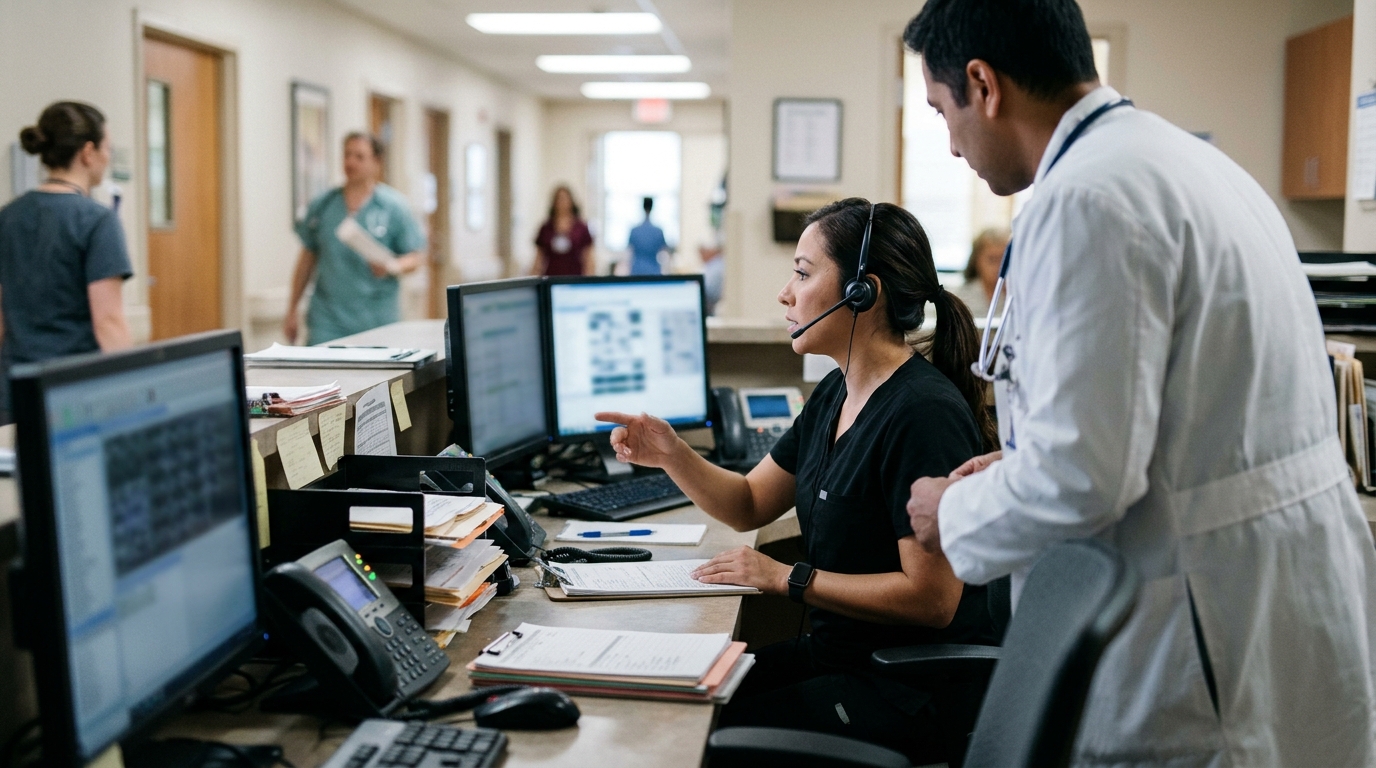
Urgent patient symptoms require immediate clinical attention to prevent adverse outcomes. Many practices struggle to distinguish between routine inquiries and critical medical needs during high-volume periods. Implementing structured triage protocols ensures that no patient is left waiting when their condition demands urgent care. DearDoc helps healthcare providers manage this balance by using AI to identify red flags and route critical cases to human staff instantly.
1. Define Clear Red Flag Criteria
Establish a standardized list of symptoms that require immediate escalation. A clinical triage protocol is a set of rules used to determine the urgency of a patient's condition. Without defined criteria, staff may hesitate to escalate or may escalate too frequently, causing alert fatigue. Create a simple checklist of symptoms such as chest pain, difficulty breathing, or sudden weakness. This ensures consistency across all shifts and staff members.
2. Implement AI-Powered Symptom Screening
Use artificial intelligence to analyze patient input for critical keywords. AI triage is a technology that processes patient descriptions to identify high-risk medical indicators. Manual screening can miss subtle cues, especially during busy hours. DearDoc's AI Chat Assistant analyzes patient messages in real-time to detect urgent symptoms. It flags these conversations for immediate human review, ensuring critical cases are not buried in a queue.
3. Create a Dedicated Escalation Channel
Designate a specific pathway for urgent cases to bypass standard queues. An escalation channel is a direct communication route that prioritizes critical patient needs over routine scheduling. Standard phone lines or chat queues can delay urgent care by minutes or hours. Set up a dedicated phone line or a priority chat tag that alerts on-call providers directly. This reduces the time between symptom reporting and clinical intervention.
4. Train Staff on Triage Protocols
Ensure all front desk and administrative staff understand when to escalate. Staff training is the process of educating employees on clinical safety procedures and communication protocols. Even with automated tools, human judgment is essential for final decisions. Conduct regular drills where staff practice identifying red flags in simulated scenarios. This builds confidence and ensures that team members know exactly how to act when a patient reports severe symptoms.
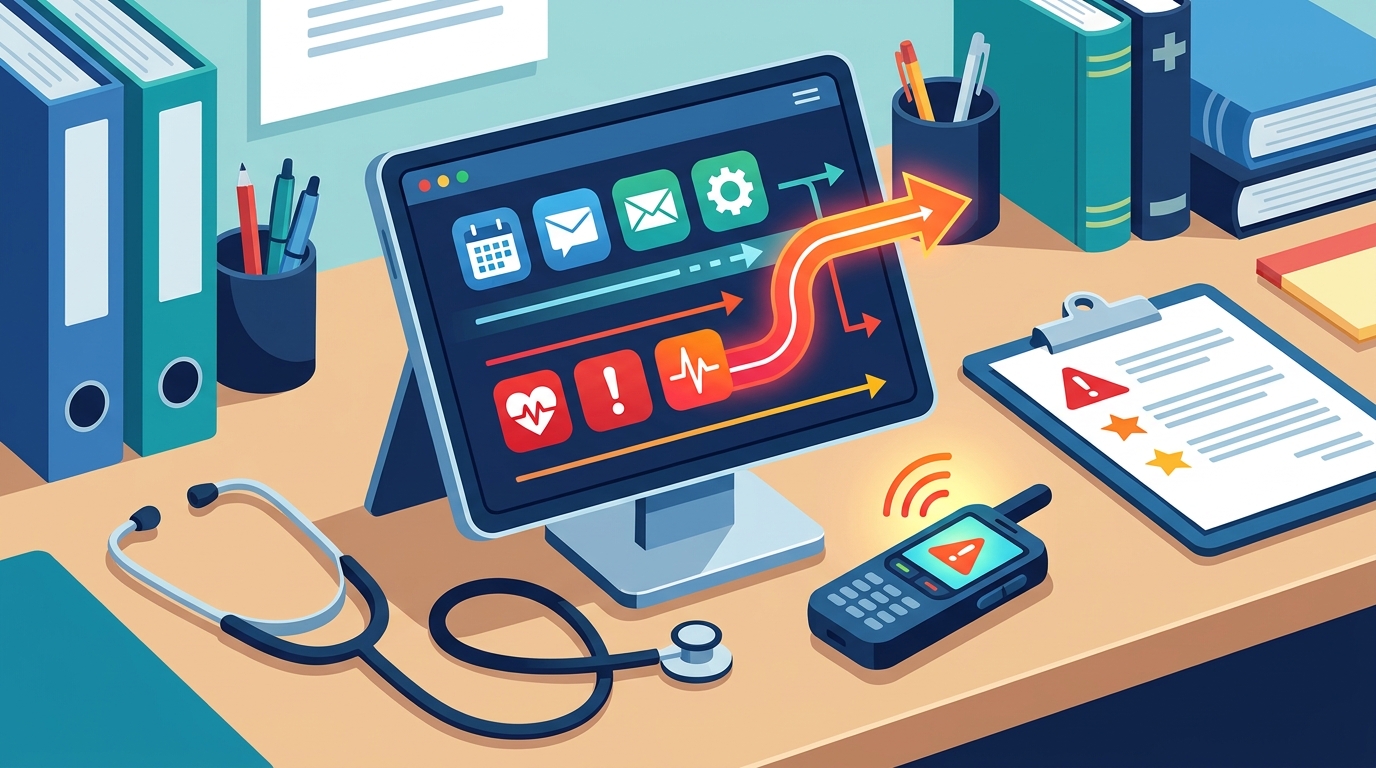
5. Integrate with Electronic Health Records
Connect your triage system to patient medical history for context. EHR integration is the technical process of linking communication tools with patient health data. A symptom that seems minor in isolation may be critical for a patient with a specific history. DearDoc connects with over 96 EMR and PMS systems to provide context-aware triage. This allows the AI and staff to see relevant medical history before making escalation decisions.
6. Monitor After-Hours Communication
Ensure urgent symptoms are captured even when the office is closed. After-hours triage is the process of managing patient inquiries outside of standard business hours. Many patients experience urgent symptoms at night or on weekends when staff are unavailable. Implement an AI voice or chat system that remains active 24/7. This system can screen symptoms and alert on-call providers if critical red flags are detected, preventing missed opportunities for care.
7. Review and Audit Escalation Logs
Regularly analyze how urgent cases were handled to improve the process. An escalation audit is a review of past incidents to identify gaps in the triage workflow. Data analysis helps you understand where delays occurred or where symptoms were missed. Review logs monthly to see which symptoms triggered escalations and how quickly they were resolved. This continuous improvement loop ensures your protocol stays effective as patient needs evolve.
Choosing the Right Approach
Select the method that best fits your practice's volume and staffing model. High-volume practices benefit most from AI-assisted screening, while smaller offices may rely more on trained staff protocols. The goal is always the same: to ensure that urgent symptoms are never overlooked. By combining clear criteria, technology, and human oversight, you create a safety net that protects your patients.
Frequently Asked Questions
How does AI help with clinical triage?
AI helps by analyzing patient input for specific keywords and patterns associated with urgent medical conditions. It can flag these cases for immediate human review, reducing the risk of missing critical symptoms during high-volume periods. This technology acts as a first line of defense, ensuring that red flags are not buried in routine inquiries.
What are common red flag symptoms in a medical practice?
Common red flags include chest pain, shortness of breath, sudden weakness, severe abdominal pain, and changes in mental status. These symptoms often indicate conditions that require emergency care or immediate specialist attention. Practices should define their own list based on their specialty and patient population.
Can automated systems replace human judgment in triage?
No, automated systems should support, not replace, human judgment. AI can identify potential risks, but a trained clinician or staff member must make the final decision on escalation. This hybrid approach leverages the speed of technology and the nuance of human experience to ensure patient safety.
How do I handle urgent symptoms after hours?
You should implement an after-hours communication system that can screen symptoms and alert on-call providers. This can be an AI chat or voice assistant that remains active when the office is closed. The system should be configured to prioritize critical cases and provide clear instructions to patients while waiting for a provider.
What is the role of EHR integration in triage?
EHR integration provides context by linking current symptoms with a patient's medical history. This helps staff and AI systems understand if a symptom is unusual or dangerous for that specific patient. For example, a headache may be routine for one patient but critical for another with a history of aneurysms.
How often should I review my triage protocols?
You should review your triage protocols at least quarterly or after any significant incident. Regular reviews ensure that your criteria remain up-to-date with current medical guidelines and that your staff is comfortable with the process. This ongoing evaluation helps identify and fix gaps in your escalation workflow.
Conclusion
Ensuring urgent patient symptoms reach a doctor requires a combination of clear protocols, technology, and trained staff. By defining red flags, using AI screening, and maintaining dedicated escalation channels, you can significantly reduce the risk of missed critical care. DearDoc provides the tools to implement these strategies effectively, helping your practice stay safe and responsive. To see how these solutions work in practice, get a free demo today.