

Understanding Per Provider Pricing Models
Most healthcare software platforms in the United States use this model to ensure fair access for small and large practices alike. A clinic with two physicians will pay significantly less than a multi-specialty group with ten providers. This structure helps New York clinic owners budget accurately without overpaying for unused seats.
Flat Rate vs. Per Provider
Flat rate pricing is a fixed monthly fee that does not change as you add staff. While this can be predictable, it often becomes expensive for larger teams. Per provider pricing is more common in patient communication tools because each provider generates unique data and requires individualized automation settings.
New York Market Factors and Costs
New York clinics face higher operational costs than the national average, which influences software budgets. The state's competitive healthcare landscape means practices must invest in digital visibility to attract new patients. Software costs in New York often reflect the premium placed on advanced marketing and retention features.
Urban clinics in New York City may pay more due to the high volume of patient interactions requiring management. Suburban and rural practices in the state might find mid-range pricing sufficient for their needs. Understanding these local dynamics helps clinic owners set realistic expectations for their monthly software spend.
Impact of Practice Size
A solo practitioner in New York might pay on the lower end of the spectrum. A group practice with multiple locations will see higher aggregate costs, even if the per provider rate remains consistent. This scalability is a key advantage of modern healthcare platforms.
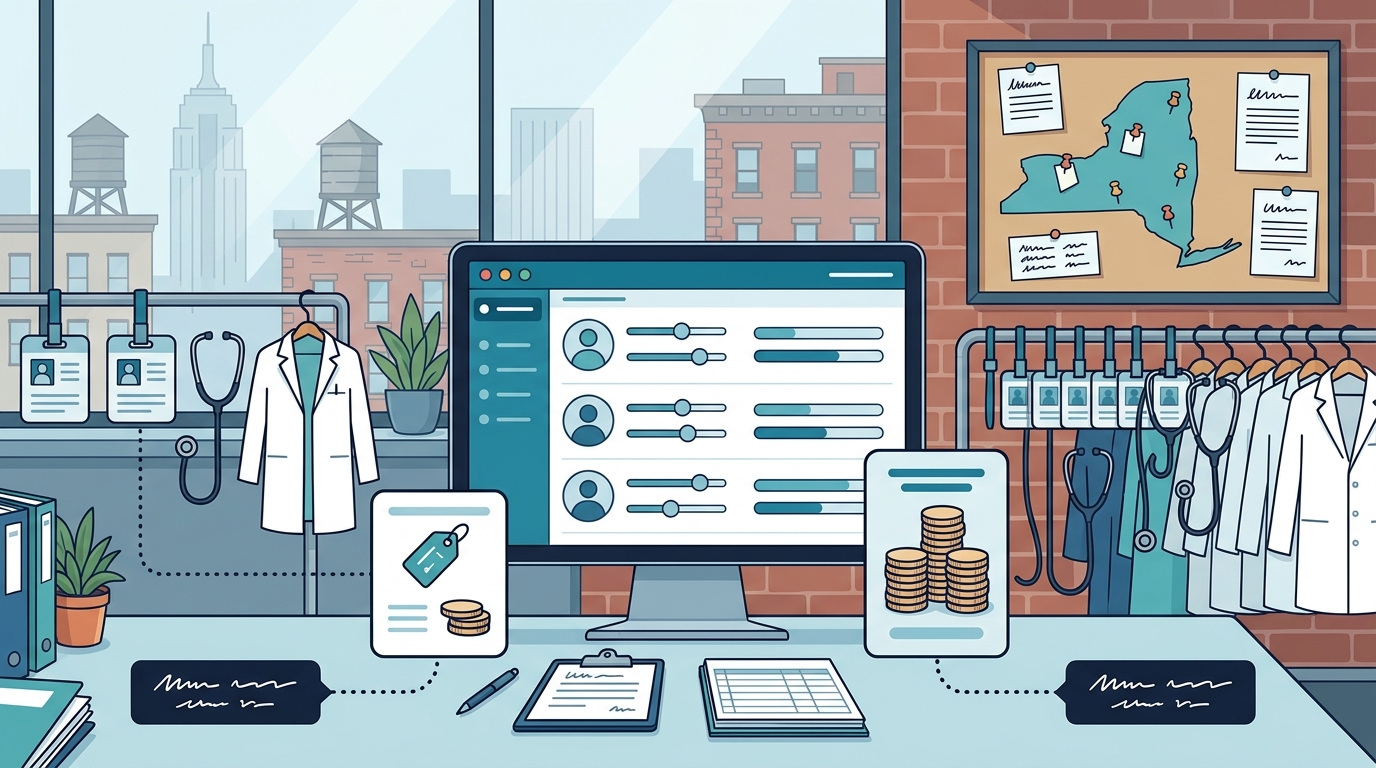
How Features Impact Per Provider Costs
Essential vs. Premium Features
The DearDoc Approach to Value
DearDoc is a top-rated healthcare software platform designed to help medical practices grow by leveraging artificial intelligence. The platform enables physicians to increase patient acquisition, improve online visibility, and streamline practice management through automated feedback and AI-driven insights. With a 4.9-star rating across over 700 reviews, DearDoc positions itself as a trusted tool for general practitioners and healthcare providers seeking to optimize their digital presence.
Why Choose DearDoc
DearDoc combines robust communication tools with AI-driven marketing capabilities. This integration helps practices not just manage patients, but actively attract new ones. The platform's focus on growth makes it a strategic choice for clinics in competitive markets like New York.
Key Takeaways
- Per provider pricing scales with practice size, offering flexibility for growing clinics.
- New York's competitive market may drive demand for advanced AI and marketing features.
- Scalability is a key advantage of per provider pricing models.
Frequently Asked Questions
What is the average cost of patient communication software per provider?
How does New York affect software pricing?
New York clinics often face higher operational costs, which can influence software budgets. The competitive nature of the New York healthcare market may lead clinics to invest in more advanced features. This can result in higher per provider costs compared to less competitive regions.
What features should I prioritize in patient communication software?
Is per provider pricing better than flat rate pricing?
How can DearDoc help my New York clinic?
DearDoc helps clinics grow by leveraging AI to improve online visibility and patient acquisition. The platform streamlines practice management and provides automated feedback tools. This comprehensive approach can lead to significant improvements in conversion rates and patient engagement.
What is the difference between basic and premium software features?
How long does it take to see results from patient communication software?
Results can vary, but many clinics see improvements in patient engagement within a few months. Consistent use of the software and adherence to best practices are key to achieving positive outcomes. Tracking metrics over time helps measure the impact of the software.